Are Peptides Legal in Canada? What to Know in 2026
Are peptides legal in Canada? Learn how Health Canada regulates peptides as drugs, what research use labels mean, and how WADA rules…
Research guide
September 16, 2026
How long does bacteriostatic water last? An unopened vial lasts until the expiry date printed on it, provided it has been stored as its label directs. Once the stopper has been punctured, the limit is 28 days unless the manufacturer specifies otherwise, and never beyond the printed expiry date. The United States Pharmacopeia (USP), the CDC and NAPRA, the national association of Canada’s pharmacy regulators, all use that same 28-day figure.
This guide explains where those numbers come from, whether bacteriostatic water needs to be refrigerated, and the signs that a vial should be discarded sooner. For what the liquid contains, see what bacteriostatic water is.
An unopened vial with an intact seal is good until the expiry date on its label. Beyond that date the manufacturer no longer stands behind the product, even if the seal has never been broken.
The clock changes the moment a needle passes through the stopper. USP General Chapter 797, the pharmacopeial standard for sterile compounding, limits a multiple-dose container to 28 days after it is first entered or punctured, unless the manufacturer’s labelling says otherwise. USP’s published FAQs on the chapter put it plainly: a conventionally manufactured multiple-dose vial may not be used after 28 days of first puncture.
The CDC gives clinics the same rule: date a multi-dose vial when it is first opened and discard it within 28 days unless the manufacturer states another date, and never let that date run past the original expiry. In Canada, the National Association of Pharmacy Regulatory Authorities (NAPRA) model standards for sterile compounding also give multiple-dose containers a 28-day beyond-use date unless the manufacturer specifies otherwise. Whichever arrives first, the 28-day mark or the printed expiry, is the end of that vial.
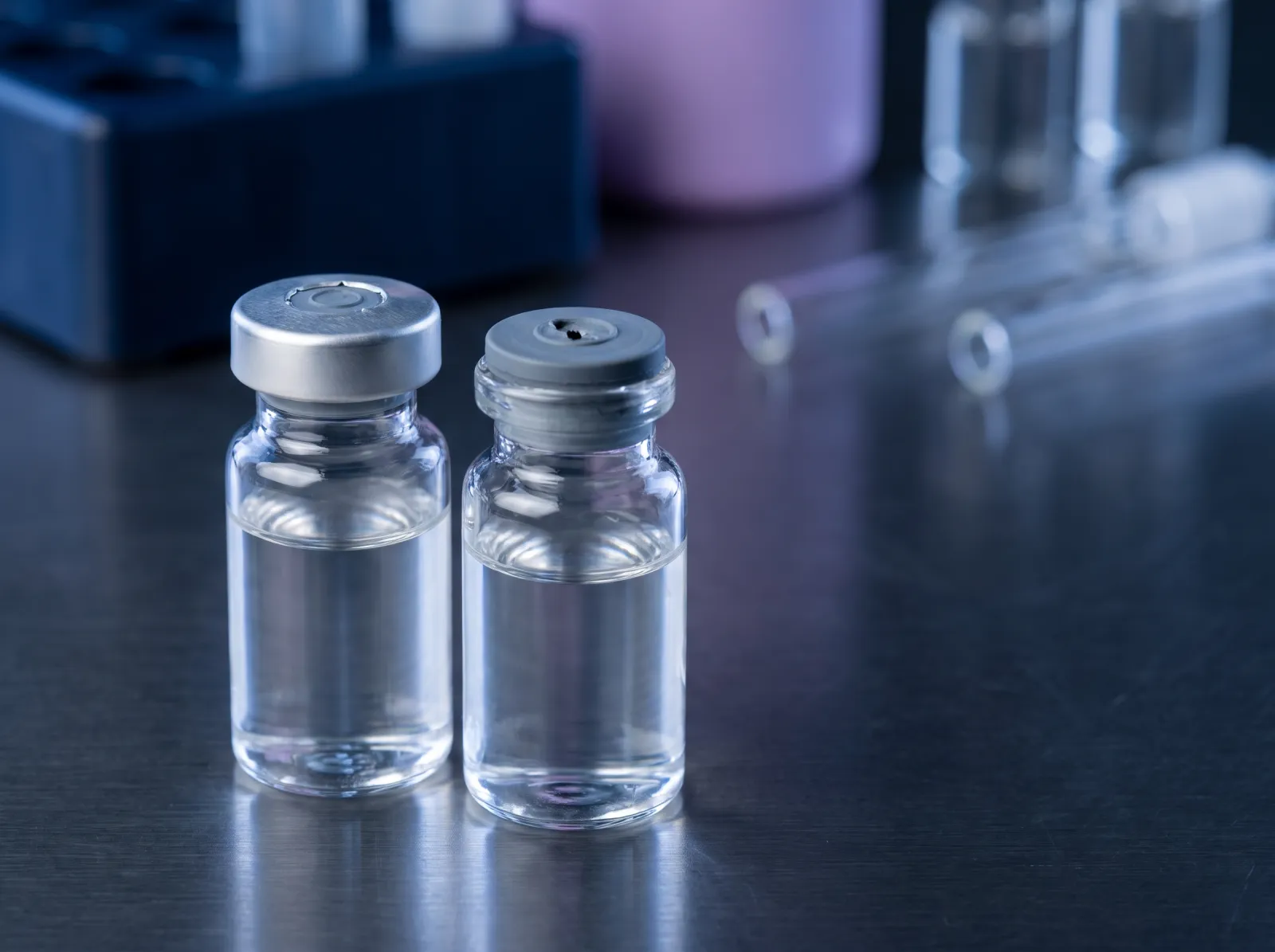
Not according to its pharmaceutical label. Hospira lists one storage condition for Bacteriostatic Water for Injection: 20 to 25 degrees Celsius, which USP calls controlled room temperature.
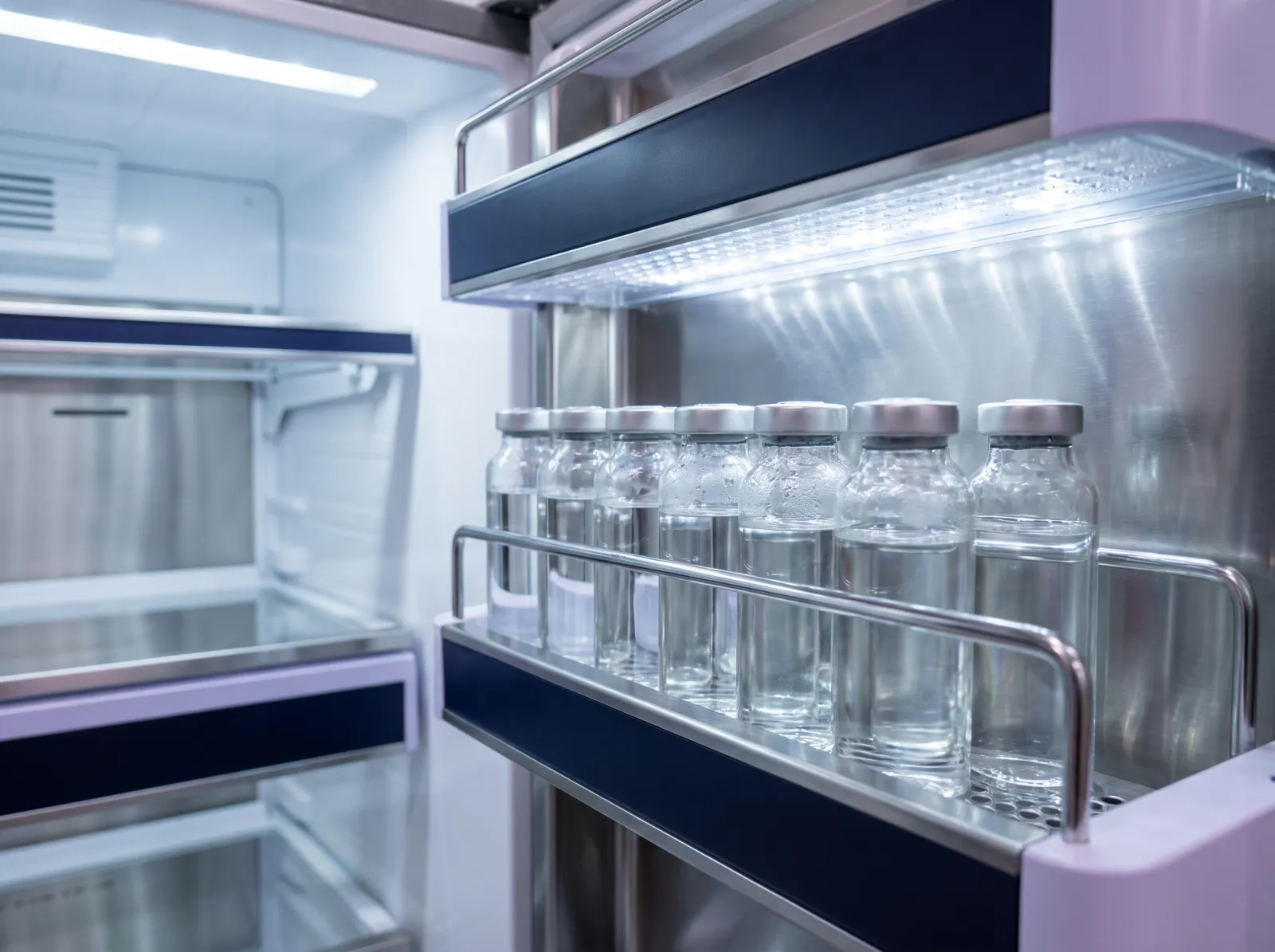
The listing for our bacteriostatic water for laboratory research matches that for unopened stock and recommends moving a vial to a refrigerator at 2 to 8 degrees Celsius once it has been punctured. Either way, the fridge does not extend the 28-day limit. Neither USP nor the CDC ties that window to storage temperature, so a refrigerated vial is still finished 28 days after its first puncture.
How to store bacteriostatic water once a vial is in use:
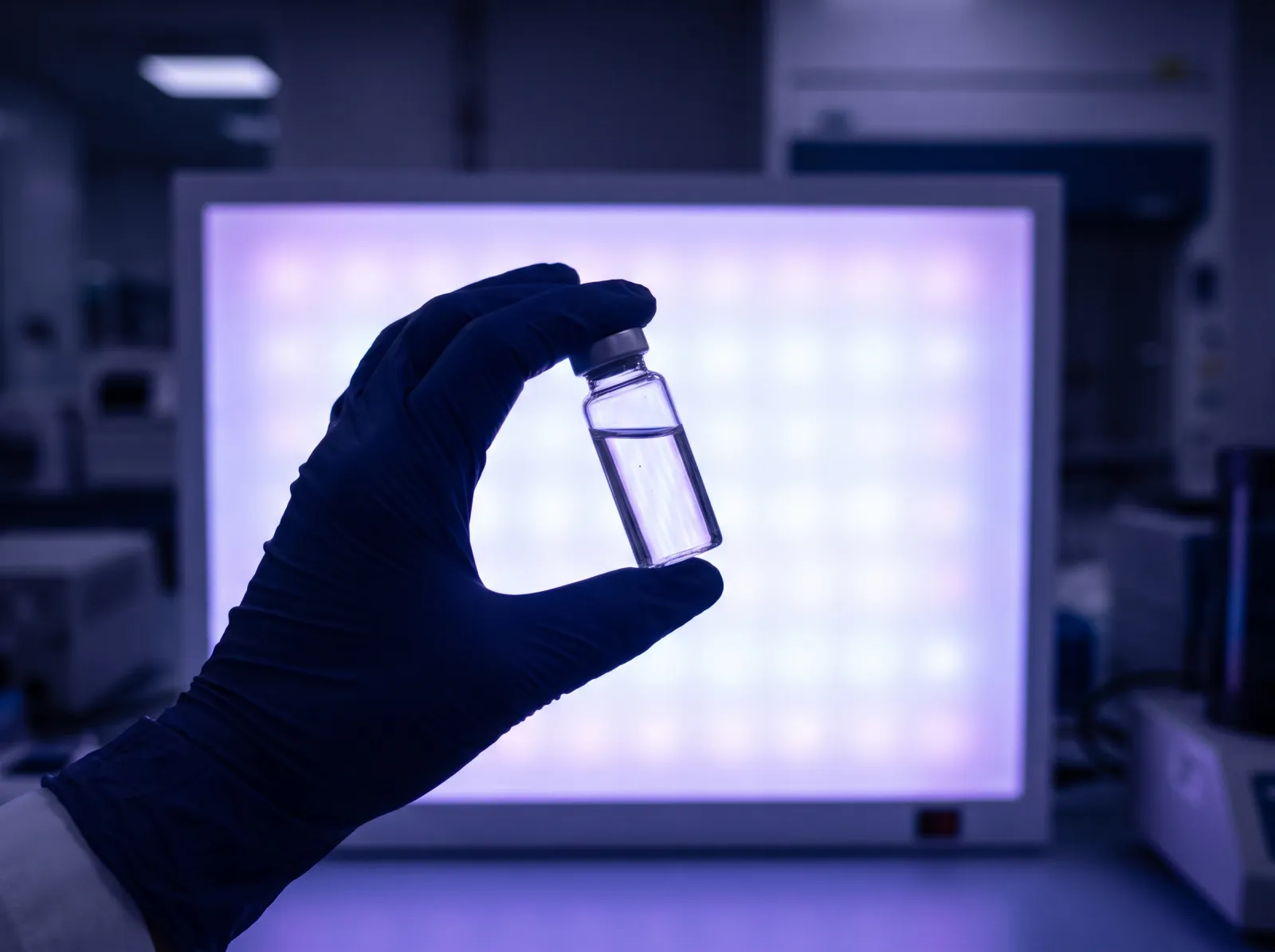
A vial can reach the end of its life well before day 28. Labels say not to use the solution unless it is clear and the seal is intact, and to inspect liquids visually for particulate matter and discolouration. The CDC adds a broader rule: discard a vial whenever sterility is compromised or questionable. Discard it if you notice:
NAPRA’s standard makes the same point: if there is visible contamination before 28 days, the container must be discarded.
| Situation | How long it lasts | Basis |
|---|---|---|
| Unopened, stored as labelled | Until the printed expiry date | Manufacturer label |
| Opened (first puncture) | Up to 28 days, or the printed expiry if that comes first | USP 797, CDC, NAPRA |
| Manufacturer states a different in-use period | Follow the manufacturer | USP 797, CDC, NAPRA |
| Cloudy, discoloured, particles or damaged seal | Discard now | Label, CDC, NAPRA |
| Opened, but no date recorded | Treat as expired | Good practice |
These limits apply to the diluent vial itself. USP’s FAQs note that the 28-day in-use limit on a multiple-dose vial is separate from the dating of anything prepared from it. A peptide solution made with bacteriostatic water has its own stability, which depends on the compound, so follow its documentation and our guide on how to store peptides after reconstitution.
Benzyl alcohol is a preservative, not a sterilant. Every puncture is a chance to carry microorganisms into the vial, and the preservative’s job is to keep them from multiplying while the container is in use. That is why technique matters as much as the date; our lab guide to reconstituting peptides covers aseptic handling step by step.
USP defines a multiple-dose container as one whose contents have met antimicrobial effectiveness testing requirements, or are excluded from them by FDA regulation. That test, USP 51, deliberately adds large numbers of bacteria, yeast and mould to a product and counts survivors at 7, 14 and 28 days. For Category 1 products, the strictest group, bacterial counts must fall by at least 1 log (90%) by day 7 and 3 logs (99.9%) by day 14, with no increase at day 28, while yeast and mould counts must not rise. The in-use limit is the same length as that challenge.
Because an opened vial has a fixed life, it helps to buy diluent in quantities you will use within that window. The Flux Peptides research shop lists it alongside our lyophilized compounds.
Yes. Pharmaceutical vials carry a printed expiry (EXP) date, and an unopened vial should not be used after it. Once the vial has been punctured, a second limit applies: no more than 28 days of use unless the manufacturer specifies otherwise. Whichever of the two dates comes first is the one that counts.
It can. An opened vial can become contaminated through repeated punctures, and a sealed vial is only supported up to its expiry date. Cloudiness, particles, discolouration or a damaged seal mean it should be discarded at once, whatever the date on the label. The CDC’s rule is to discard a vial whenever sterility is compromised or questionable.
No longer than at room temperature. The 28-day limit for an opened vial runs from the first puncture, and neither USP nor CDC guidance extends it for refrigerated storage. Flux recommends refrigerating a vial at 2 to 8 degrees Celsius once it is punctured, but the discard date stays the same: 28 days after first puncture, or the printed expiry if that comes first.
Not once it has been opened, unless the manufacturer’s labelling gives a different in-use period. The 28-day limit comes from USP 797 and matches CDC and NAPRA guidance. After that point, discard the vial even if the liquid still looks clear, because microbial contamination is not always visible.
Flux Peptides supplies bacteriostatic water strictly for laboratory research. It is not approved by Health Canada for human or veterinary use, and nothing in this article is medical advice.