$0.00 0

Cart

No products in the cart.

Sale!

BPC-157

Original price was: $100.00.Current price is: $75.00.

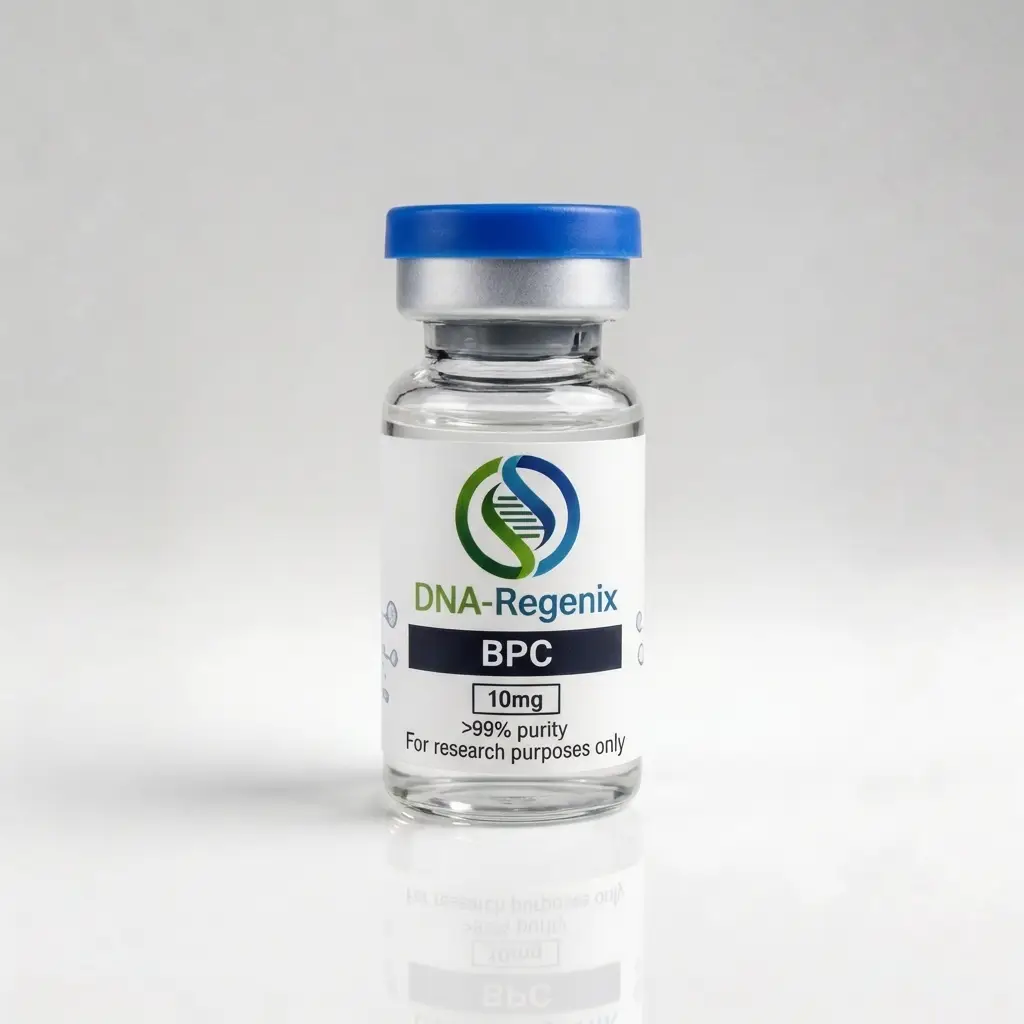
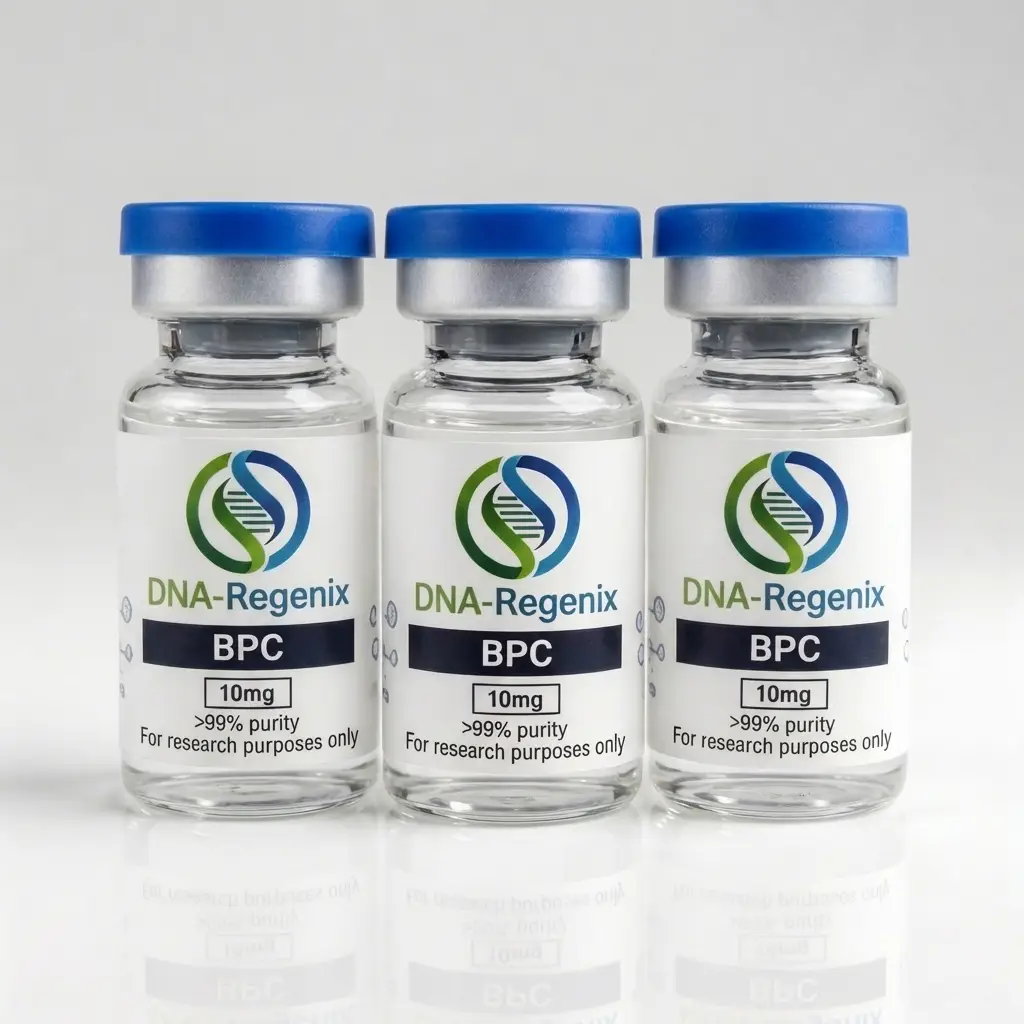
BPC-157 (Body Protective Compound 157) is a stable pentadecapeptide composed of 15 amino acids, originally derived from human gastric juice. Widely recognized in the research community for its high biological activity and stability, BPC-157 is a primary focus for Canadian studies involving accelerated tendon-to-bone healing, ligament repair, and the modulation of the nitric oxide (NO) system.

  • Fast Domestic Shipping: Dispatched from within Canada (No customs delays)
  • Purity: ≥99.0% (HPLC Tested)
  • Format: Lyophilized Powder for Laboratory Research
  • Key Research Focus: Angiogenesis and collagen synthesis
  • Stability: Highly resistant to enzymatic degradation
Category:

Description

BPC-157 (Body Protective Compound)

BPC-157 is a highly stable pentadecapeptide that has garnered significant attention in the field of regenerative medicine. Unlike many other peptides, BPC-157 is remarkably resistant to degradation in gastric juice and other harsh environments, making it a robust tool for diverse experimental models.

In Canadian research settings, BPC-157 is extensively studied for its “cytoprotective” effects. Its primary mechanism involves the upregulation of growth factor receptors and the promotion of angiogenesis (the formation of new blood vessels), which are critical components of the tissue repair process. Whether investigating musculoskeletal injuries or inflammatory markers, BPC-157 remains the gold standard for regenerative signaling research.

Technical Specifications

  • Peptide Name: BPC-157
  • Sequence: Gly-Pro-Pro-Ser-Ala-Tyr-Pro-Trp-Leu-Glu-Asp-Val-Gly-Pro-Ile
  • CAS Number: 137525-51-0
  • Molecular Formula: C62H98N16O22
  • Molar Mass: 1419.5 g/mol
  • Purity: ≥99.0% (determined by HPLC)
  • Appearance: White lyophilized powder
  • Solubility: Soluble in sterile water or bacteriostatic water

Mechanism of Action (Research Context)

Research into BPC-157 focuses on its ability to orchestrate complex biological repair pathways:

  • Angiogenesis and VEGF Expression: Studies suggest BPC-157 promotes the formation of new vascular networks by upregulating Vascular Endothelial Growth Factor (VEGF), facilitating nutrient delivery to damaged tissues.
  • Collagen Reorganization: Research explores BPC-157’s role in promoting the synthesis and organized arrangement of Type I collagen, essential for the structural integrity of tendons and ligaments.
  • Nitric Oxide (NO) System Interaction: BPC-157 is observed to interact with the nitric oxide system, which helps regulate blood flow and protects the mucosal lining in various experimental models.
  • Fibroblast Migration: Investigations focus on how BPC-157 enhances the migration and proliferation of fibroblasts, the primary cells responsible for tissue repair.

Storage and Handling

  • Lyophilized (Powder): Store at -20°C (-4°F) for long-term stability. BPC-157 is structurally robust but should be kept in a cool, dark environment to prevent moisture-induced degradation.
  • Reconstituted (Liquid): Once dissolved in a research solvent, the solution should be kept at 4°C (39°F) and utilized within 14–21 days. To ensure consistent experimental results, avoid unnecessary agitation of the vial.
  • Handling: Standard laboratory safety protocols apply. This product is for laboratory research use only.

Testing and Quality Control
Flux Peptides ensures that every vial of BPC-157 meets the high standards of the Canadian scientific community. Our quality control process includes:

1. HPLC (High-Performance Liquid Chromatography): To confirm a purity profile of ≥99.0%.
2. MS (Mass Spectrometry): To verify the exact 15-amino acid sequence and molecular weight.
3. Visual Verification: To ensure the integrity of the lyophilized cake for ease of reconstitution.

Reviews

There are no reviews yet.

Be the first to review “BPC-157”

Your email address will not be published. Required fields are marked *