Are Peptides Legal in Canada? What to Know in 2026
Are peptides legal in Canada? Learn how Health Canada regulates peptides as drugs, what research use labels mean, and how WADA rules…
Research guide
September 16, 2026
Peptide purity testing usually means reversed-phase HPLC with UV detection, which reports the area of the main peak as a percentage of all the peaks detected. Mass spectrometry answers a separate question: does that main component have the molecular weight of the intended peptide? A certificate of analysis (COA) ties both results to one batch.
Each test has blind spots. A 99% HPLC result does not show how much of a powder’s weight is peptide, which counter-ions or water it holds, or whether endotoxin was measured. This guide explains what each number means and what to check before relying on it.
High-performance liquid chromatography (HPLC) separates the components of a dissolved sample as they travel through a packed column. Reversed-phase HPLC is the most widely used mode for peptides: the column usually holds silica bonded to C8 or C18 chains, and the mobile phase is water and acetonitrile with an acid additive such as trifluoroacetic acid (TFA).
A UV detector records each component as it leaves the column. Peptide bonds absorb strongly in the far ultraviolet, so detection is generally set at 210 to 220 nm, producing a chromatogram of peaks over time.
HPLC purity is the main peak’s area divided by the total area of all integrated peaks. The smaller peaks are usually related impurities: a 2014 review of peptide medicines lists deletion sequences (a missing amino acid), leftover protecting groups, oxidized side chains and dimers among the common types.
The figure depends on the method, including column, gradient, wavelength and peak integration, so a COA should name it. A single tall peak also shows that a sample is mostly one component, not which peptide that component is.
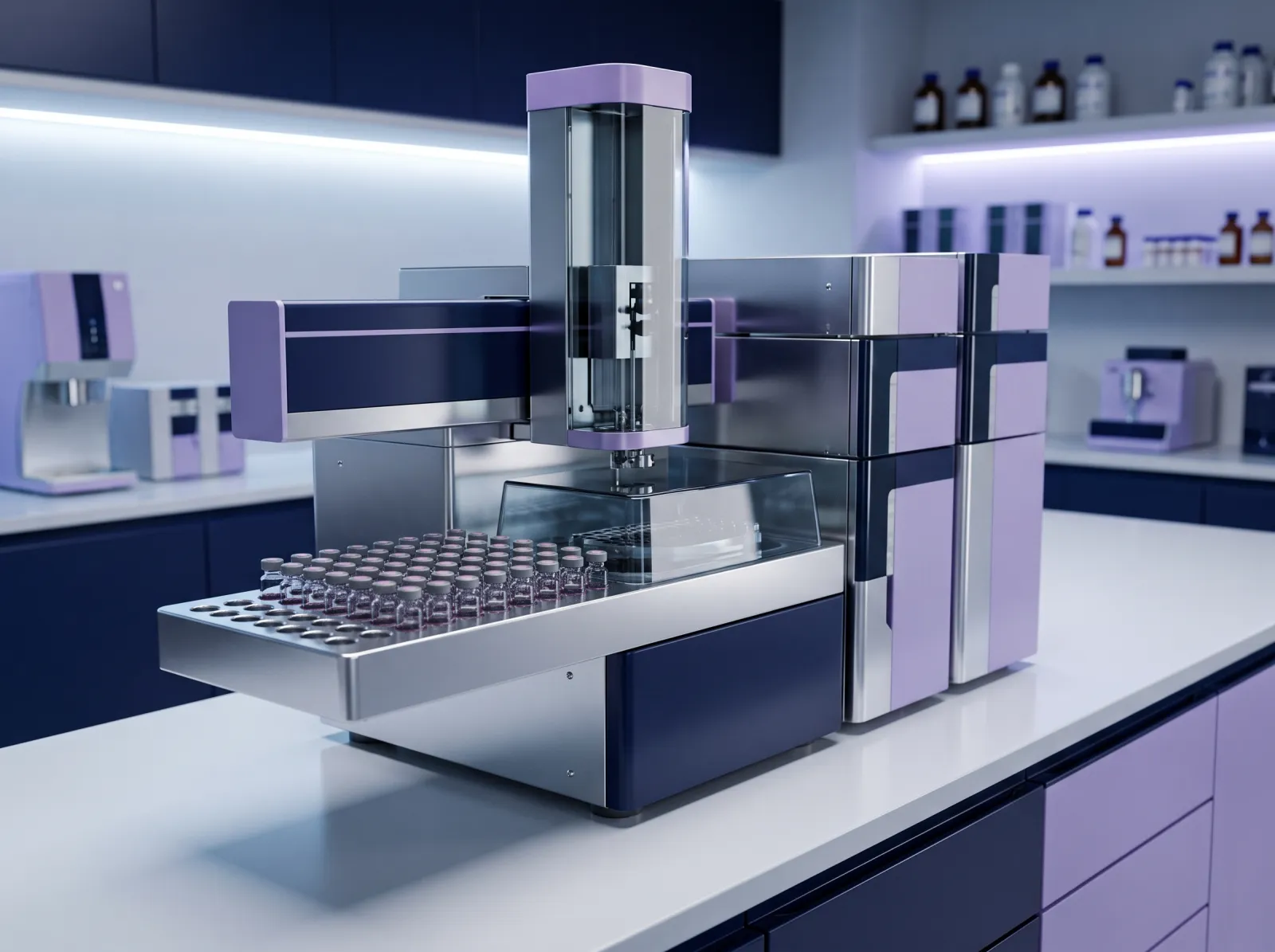
Mass spectrometry (MS) turns molecules into charged ions and measures their mass-to-charge ratio. For a peptide, the observed mass is compared with the molecular weight calculated from its amino acid sequence. A match is strong evidence that the main component is the intended molecule; a mismatch points to a wrong sequence, a missing residue or an unexpected modification.
Coupled to liquid chromatography (LC-MS), the method can check the mass behind individual peaks, and tandem MS breaks peptides into fragments that reveal the sequence itself. In a 2010 report, analysts working at the request of Norwegian police and customs used high-resolution LC-MS/MS to propose the sequence of a 29-amino-acid peptide in an unknown preparation, then matched it to CJC-1295.
MS has limits too. Mirror-image forms of an amino acid have identical masses, so a 2016 doping-control method lists sermorelin and its D-alanine analogue, CJC-1293, at the same mass. Purity and identity testing are strongest used together.
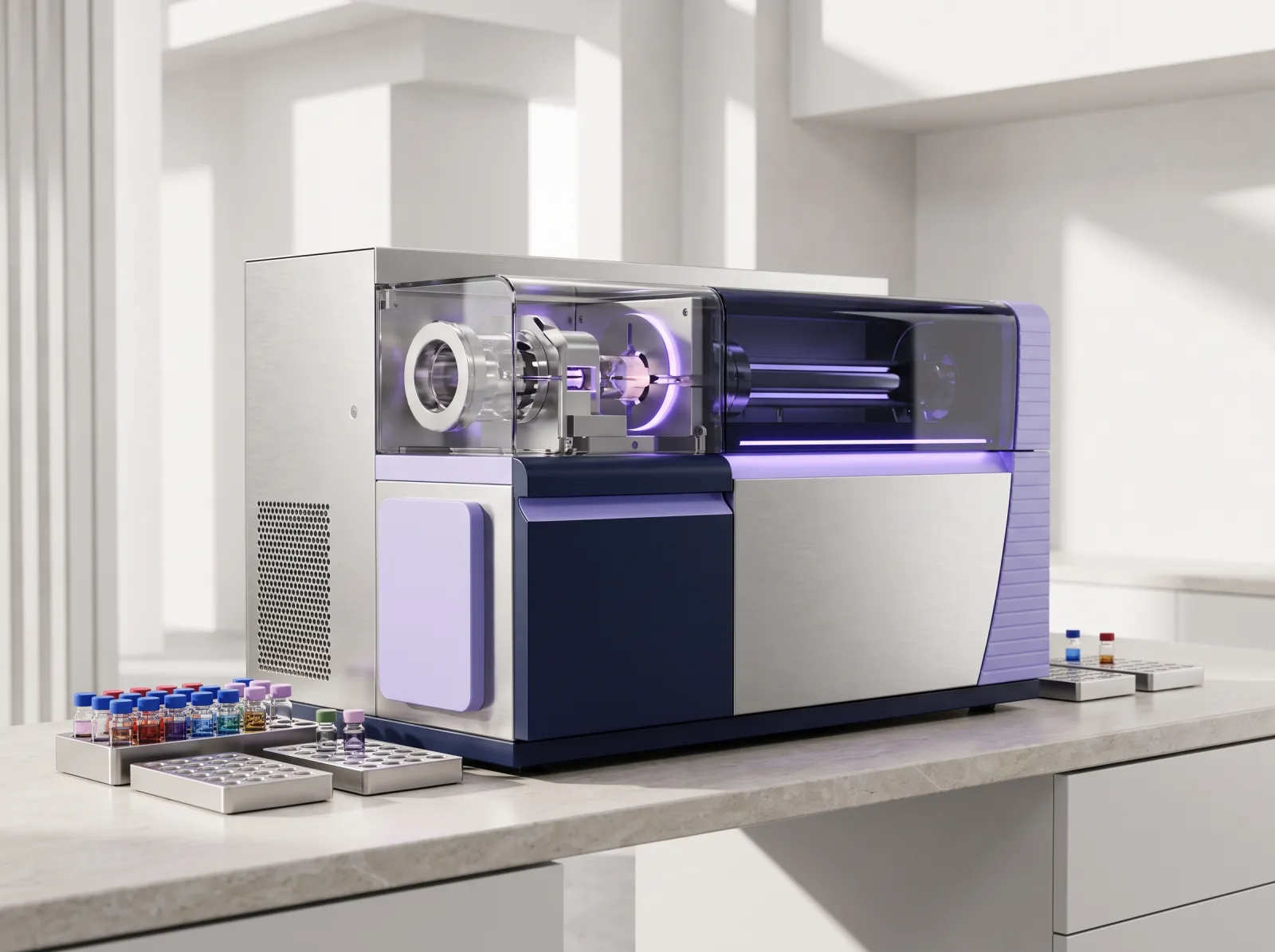
A certificate of analysis is a test report for one batch. Before reading any result, confirm that the product name and batch or lot number match your material; a COA for another batch says nothing about yours.
Then work through the main fields:
Just as important is what purity leaves out. It does not report net peptide content (the share of the powder’s weight that is peptide), counter-ions such as TFA or acetate, residual water, or bacterial endotoxin, which is measured with a separate assay such as the USP Bacterial Endotoxins Test covered in FDA guidance.

Lyophilized peptide powder is rarely 100% peptide by weight. It also contains water, residual solvent and counter-ions, the negatively charged ions paired with a peptide’s positively charged groups. Peptide manufacturer AmbioPharm notes that net peptide content is usually 60% to 90% of gross weight, typically determined by amino acid analysis or elemental analysis.
The counter-ions trace back to manufacturing. Peptides made by solid-phase synthesis are cleaved and purified with TFA, so they are often obtained as trifluoroacetate salts, while most approved peptide medicines are acetate salts, according to a 2020 review.
Because the two figures measure different things, both matter in calculations. A hypothetical 10 mg sample with 99% HPLC purity and 80% net peptide content holds about 7.9 mg of the target peptide (10 x 0.80 x 0.99). That arithmetic matters when preparing solutions of known concentration, covered in our guide on how to reconstitute peptides.
A label such as “high purity peptides” is only as useful as the data behind it. Here is what each common test contributes.
| Test | What it tells you | What it cannot tell you |
|---|---|---|
| Reversed-phase HPLC with UV detection | The main peak’s share of detected peptide material (purity) | Which molecule the main peak is, or how much of the powder is peptide |
| Mass spectrometry (MS or LC-MS) | Whether the molecular weight matches the intended sequence | Swaps between mirror-image (D and L) amino acids, which weigh the same |
| Amino acid analysis | Net peptide content, the peptide share of gross weight | The order of amino acids in the chain |
| Counter-ion and water testing | How much TFA, acetate or moisture is present | Identity or purity |
| Bacterial endotoxins test | Endotoxin level | Anything about the peptide itself |
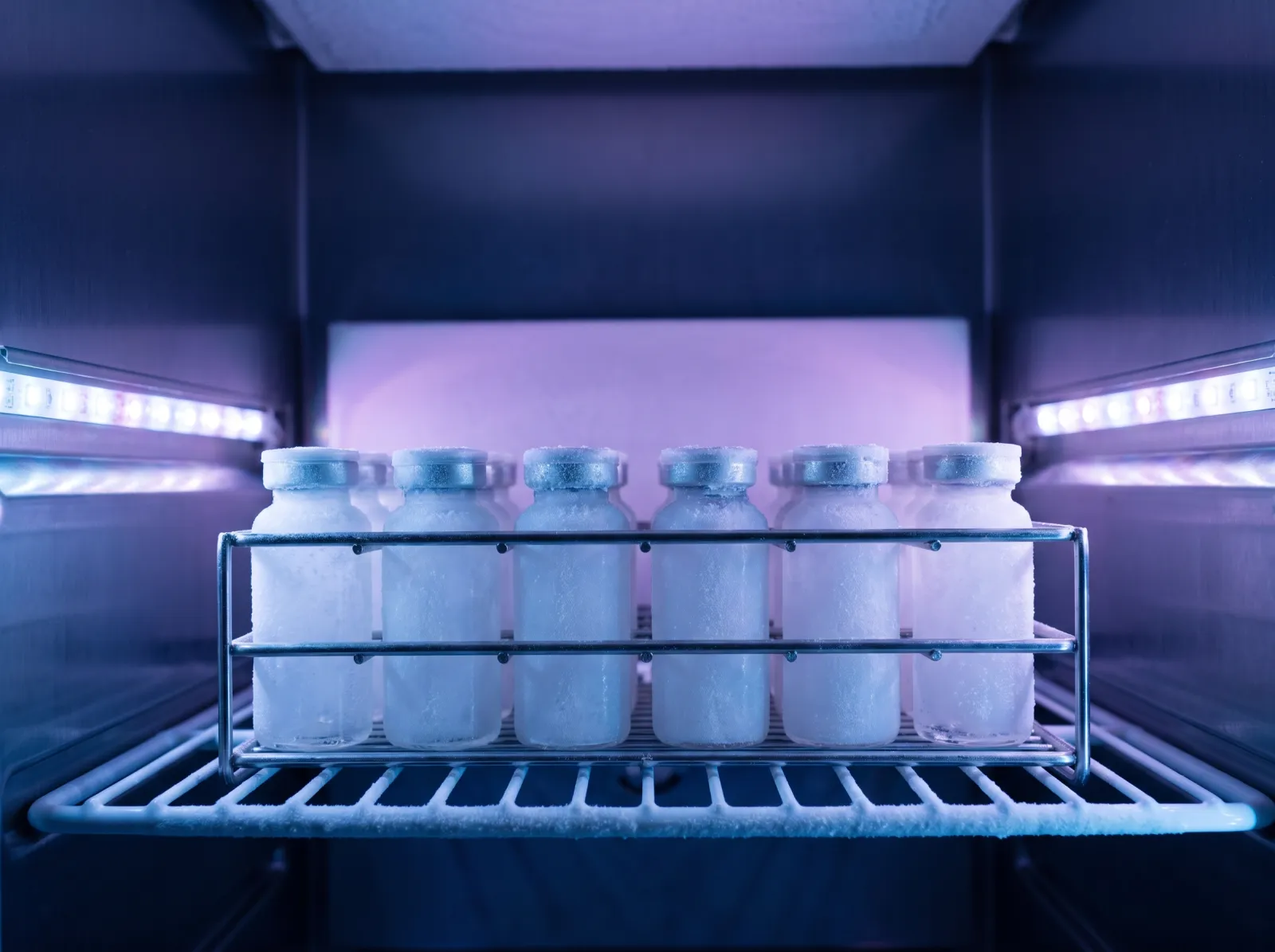
Flux does not synthesize peptides in-house. It sources from established manufacturers and verifies what arrives: every batch is assayed by HPLC against a minimum purity specification of 99.0%, and material below specification is not released. Lyophilized stock is sealed and held at minus 20 degrees Celsius, as described in our guide on how to store peptides.
Every order carries a batch identifier, so results trace to the exact material shipped. To see the analysis for your batch, email fluxpeptides@gmail.com with your order number and batch ID, then check which methods the report lists. That applies equally to BPC-157 research vials, retatrutide research peptide and everything else in the Flux research peptide shop.
Purity data describe material quality, not legal status. Research peptides are not authorized by Health Canada for human or veterinary use, as our guide Are Peptides Legal in Canada? explains in general terms.
Peptide purity testing measures how much of a sample’s peptide material is the intended sequence. The standard method is reversed-phase HPLC with UV detection at about 210 to 220 nm, which reports the main peak as a percentage of total peak area. Identity is normally confirmed separately by mass spectrometry, and both results belong on a batch-specific certificate of analysis.
Net peptide content is the percentage of a lyophilized powder’s weight that is actually peptide. The rest is water, residual solvent and counter-ions such as trifluoroacetate or acetate. It is usually measured by amino acid analysis or elemental analysis, typically falls between 60% and 90%, and is a separate measurement from HPLC purity.
No. HPLC purity describes the peptide material the UV detector sees, so a 99% result means the main peak accounts for 99% of that signal. The powder can still contain water and counter-ions that make up a meaningful share of its weight. That share is reported as net peptide content, when it has been measured.
Not on its own. HPLC detects peptides through the peptide bonds they all share, so a single clean peak shows that a sample is mostly one component without proving which peptide it is. Mass spectrometry supplies that evidence by comparing the measured molecular weight with the value expected from the sequence, which is why the two methods are paired.
Flux Peptides supplies all of its peptides strictly for laboratory research. They are not approved by Health Canada for human or veterinary use, and nothing in this article is medical advice.