Are Peptides Legal in Canada? What to Know in 2026
Are peptides legal in Canada? Learn how Health Canada regulates peptides as drugs, what research use labels mean, and how WADA rules…
Research guide
September 16, 2026
What is KPV peptide? KPV is a tripeptide, a chain of just three amino acids (lysine, proline and valine), and it matches the final three residues of alpha-melanocyte-stimulating hormone (alpha-MSH). Researchers study it because it appears to retain some of alpha-MSH’s anti-inflammatory activity in experimental models, but the evidence is almost entirely preclinical.
This guide explains what KPV is, what is and is not known about how it works, and the cell culture and rodent studies behind its reputation. Flux Peptides supplies KPV for laboratory research only; it has no approved human use.
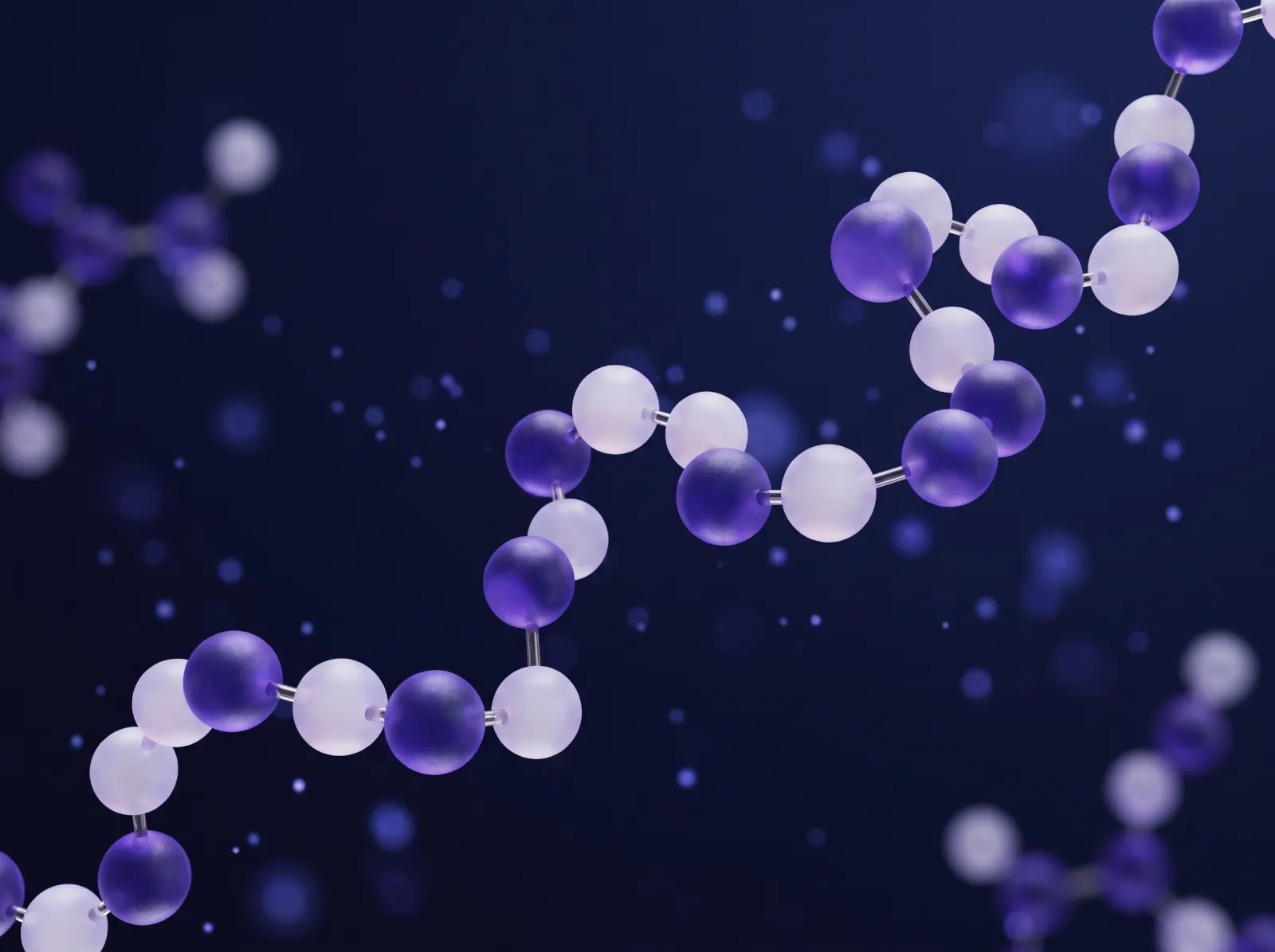
KPV takes its name from the one-letter codes of its amino acids: K for lysine, P for proline and V for valine. The three residues are joined by two peptide bonds, which makes KPV a peptide in the strict chemical sense, just a very small one. Its molecular formula is C16H30N4O4, with a molar mass of about 342.4 g/mol.
The sequence comes from a hormone. Alpha-MSH is a 13-amino-acid peptide (a tridecapeptide) derived from the precursor protein proopiomelanocortin, and KPV corresponds to its positions 11 to 13, the C-terminal end. That is why research papers often call it alpha-MSH(11-13).
Its small size matters for the research described below, because PepT1, an intestinal transporter for peptides two or three amino acids long, can carry it into cells. Our KPV 10mg research peptide is supplied as a lyophilized powder and assayed by HPLC against a minimum 99.0% purity specification, batch by batch.
Full-length alpha-MSH acts on melanocortin receptors, the same receptor family targeted by PT-141 (bremelanotide). It has shown anti-inflammatory effects in many animal models, but it also drives pigmentation. A 2008 review described KPV as preserving that anti-inflammatory activity without the pigmentary action, which is a large part of why researchers took an interest.
How KPV works is still being worked out. In a mouse peritonitis model, its effect was not blocked by an MC3/MC4 receptor antagonist and persisted in mice lacking functional MC1R, and the authors concluded that it was unlikely to act through melanocortin receptors. In human intestinal epithelial cells, Dalmasso and colleagues found that KPV was carried into cells by PepT1, and nanomolar concentrations inhibited NF-κB and MAP kinase inflammatory signalling.
The picture is not entirely consistent. One study found that KPV raised intracellular calcium in cells engineered to express MC1R, suggesting some receptor interaction is possible. The fairest summary is that KPV’s mechanism remains unresolved.
Most KPV research uses rodent models of intestinal inflammation. In 2008, oral KPV was reported to reduce inflammation in mice with chemically induced (DSS and TNBS) colitis, and a separate group reported earlier recovery and fewer inflammatory infiltrates in two mouse colitis models, with effects also seen in mice lacking functional MC1R.
Delivery is a recurring theme. Laroui and colleagues packaged KPV in nanoparticles inside an alginate and chitosan hydrogel designed to release in the colon, and reported similar effects in mice at a KPV concentration 12,000-fold lower than in free solution. Later work used hyaluronic acid-functionalized nanoparticles to target colonic epithelial cells and macrophages.
Skin research is at an earlier stage. A 2025 study reported that KPV lowered IL-1β release and oxidative stress in human keratinocytes exposed to fine dust particles, and reduced inflammatory cell death in a 3D skin model. None of these studies involved human participants.
The table summarizes the main studies discussed above, with the model and evidence level for each.
| Study | Model | Reported finding | Evidence level |
|---|---|---|---|
| Getting et al., 2003 | Mouse peritonitis | Fewer infiltrating neutrophils; effect not blocked by an MC3/MC4 antagonist | Rodent |
| Dalmasso et al., 2008 | Human intestinal and T cell lines; mouse colitis | Uptake via PepT1, lower NF-κB activation, less colitis | Cell culture and rodent |
| Kannengiesser et al., 2008 | Two mouse colitis models, plus MC1R-deficient mice | Earlier recovery, fewer inflammatory infiltrates | Rodent |
| Laroui et al., 2010 | Mouse colitis with nanoparticle delivery | Similar effect at a much lower KPV concentration | Rodent |
| Xiao et al., 2017 | Mouse colitis with hyaluronic acid nanoparticles | Uptake by colonic cells, less mucosal damage | Cell culture and rodent |
| Sung et al., 2025 | Human keratinocytes and a 3D skin model | Lower IL-1β and oxidative stress in cells, less inflammatory cell death in the 3D model | Cell culture |
The KPV literature has clear limits. The key studies used cell lines, engineered tissue models and chemically induced or T cell transfer colitis in mice, and findings in those systems do not establish effects in people. When we searched ClinicalTrials.gov in September 2026, we found no registered human trials of KPV, and it is not an approved medicine in Canada or the United States.
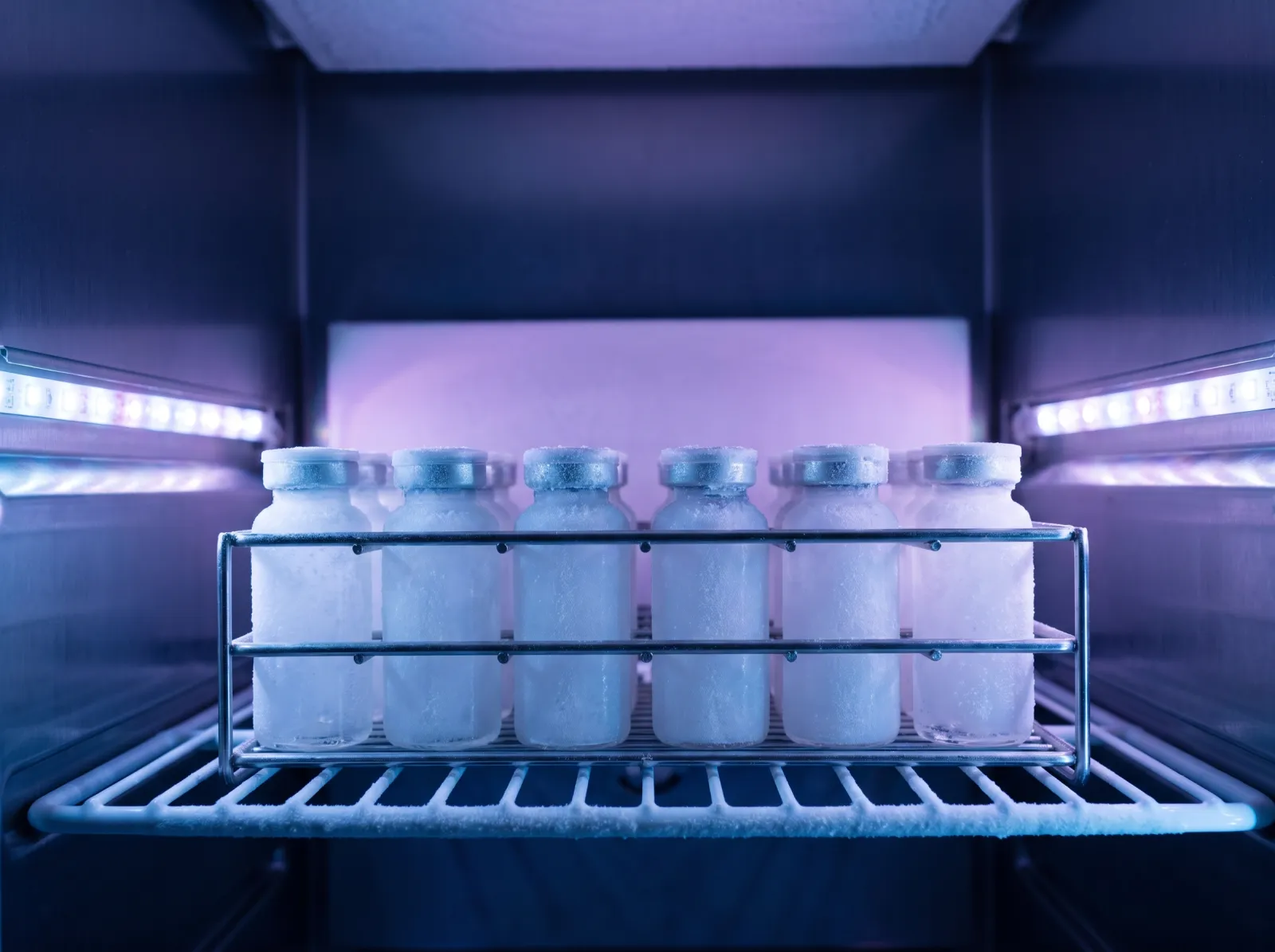
Flux’s KPV is not authorized by Health Canada for human or veterinary use, and Flux does not publish dosing or usage protocols. It is held sealed at minus 20 degrees Celsius, dispatched from within Canada and traceable by batch identifier; our guide on how to store peptides covers handling after delivery.
KPV is also one of four named components in our KLOW Blend 80mg. Our comparison of KLOW vs GLOW peptide blends explains how that blend differs from GLOW.
Yes. KPV is a tripeptide: three amino acids (lysine, proline and valine) joined by two peptide bonds. Its molecular formula is C16H30N4O4 and its molar mass is about 342.4 g/mol. It is much smaller than most research peptides, but chemically it is a peptide in every sense.
In laboratory studies, KPV has been associated with lower inflammatory signalling, such as reduced NF-κB activation and cytokine release in cultured cells, and with less severe colitis in mouse models. These are preclinical observations only. They do not show that KPV does anything in people, and we found no registered human trials.
KPV is identical to the last three amino acids, positions 11 to 13, of alpha-MSH, a 13-amino-acid hormone derived from proopiomelanocortin. A 2008 review described it as preserving alpha-MSH’s anti-inflammatory activity in experimental models without its pigmentary action, although the two peptides may act through different mechanisms.
No. KPV is not an approved medicine in Canada or the United States, and Flux’s KPV is not authorized by Health Canada for human or veterinary use. It is sold as a lyophilized laboratory reagent for research only, with no dosing information published. Anyone with a health question should consult a qualified healthcare professional.
Flux Peptides supplies KPV strictly for laboratory research. It is not approved by Health Canada for human or veterinary use, and nothing in this article is medical advice.