The "Research Use Only" (RUO) market in Canada has officially reached a state of maturity. We are seeing a distinct shift away from "garage-style" operations toward sophisticated, lab-backed entities that prioritize chemical stability over flashy marketing. In 2026, the focus of the Canadian community has expanded far beyond basic muscle recovery. Today’s research protocols are diving deep into the realms of cellular senescence, mitochondrial health, and advanced metabolic signaling. This shift requires a higher grade of starting material, as even a 1% impurity can lead to skewed data or failed research cycles.
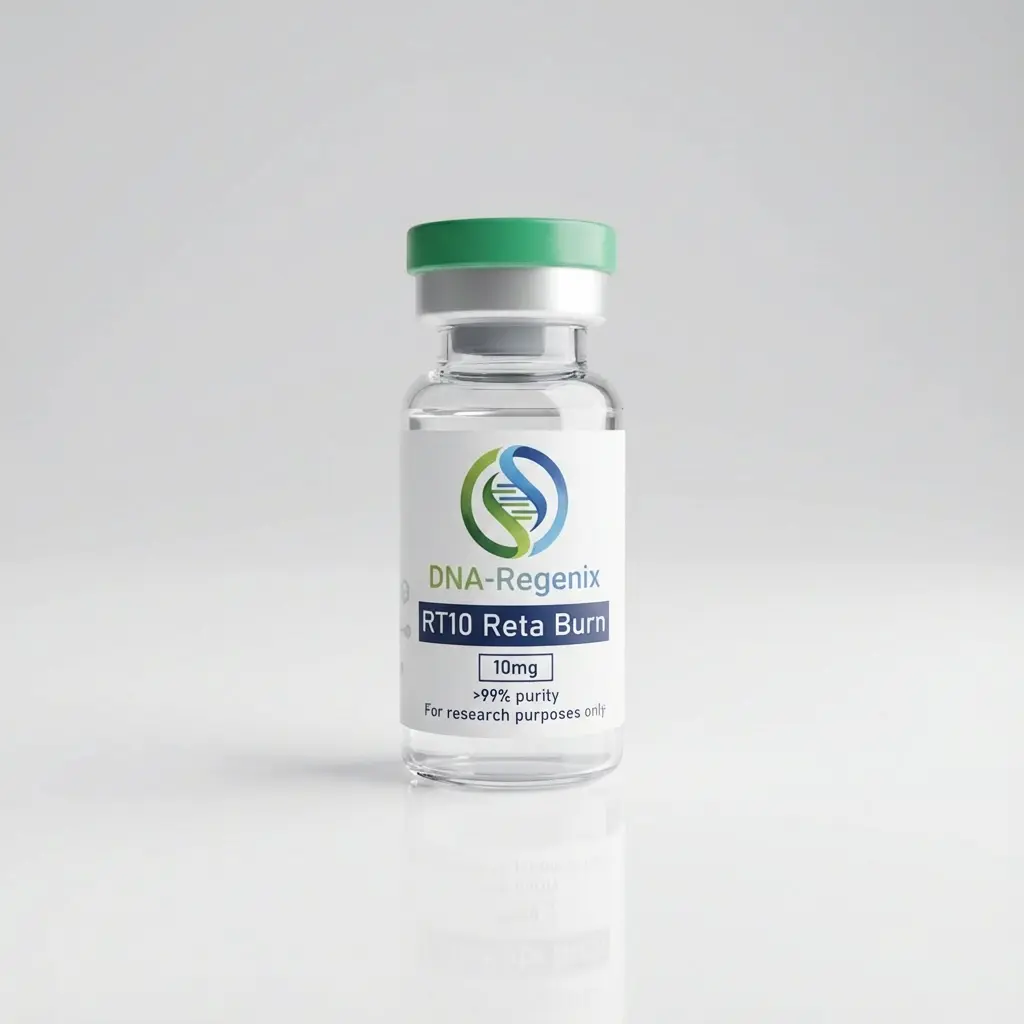
With global supply chains facing more frequent audits and international customs implementing AI-driven screening, ordering peptides from overseas has become an unnecessary risk. There are three primary reasons why savvy researchers choose domestic:
Before you click "purchase," ensure your supplier meets these three 2026 benchmarks for excellence:
1. High-Resolution Mass Spectrometry (HRMS)
It is no longer enough to show a generic "purity" percentage on a static PDF. Top-tier suppliers now provide batch-specific HRMS and HPLC reports. This proves not only the purity level (which should always be above 99%) but also the exact identity of the peptide sequence. This ensures no "analog" fillers or residual solvents from the synthesis process are present in the final vial.
2. Lyophilization Excellence
Modern peptides should be "freeze-dried" (lyophilized) into a solid, white "cake" at the bottom of the vial. If you receive a vial with loose, granular powder or "sugar-like" crystals, it may indicate poor manufacturing or moisture contamination. Proper lyophilization is what allows a peptide to remain stable at room temperature during the shipping process before it is reconstituted for study.
3. Secure, Local Payment Methods
In 2026, the best Canadian suppliers offer secure, local payment options like Interac E-Transfer. This provides a layer of security and ease for domestic buyers that international sites, which often require high-fee credit card processors or volatile crypto-only payments, simply cannot match. It also ensures your transaction stays within the Canadian banking system, providing further peace of mind.

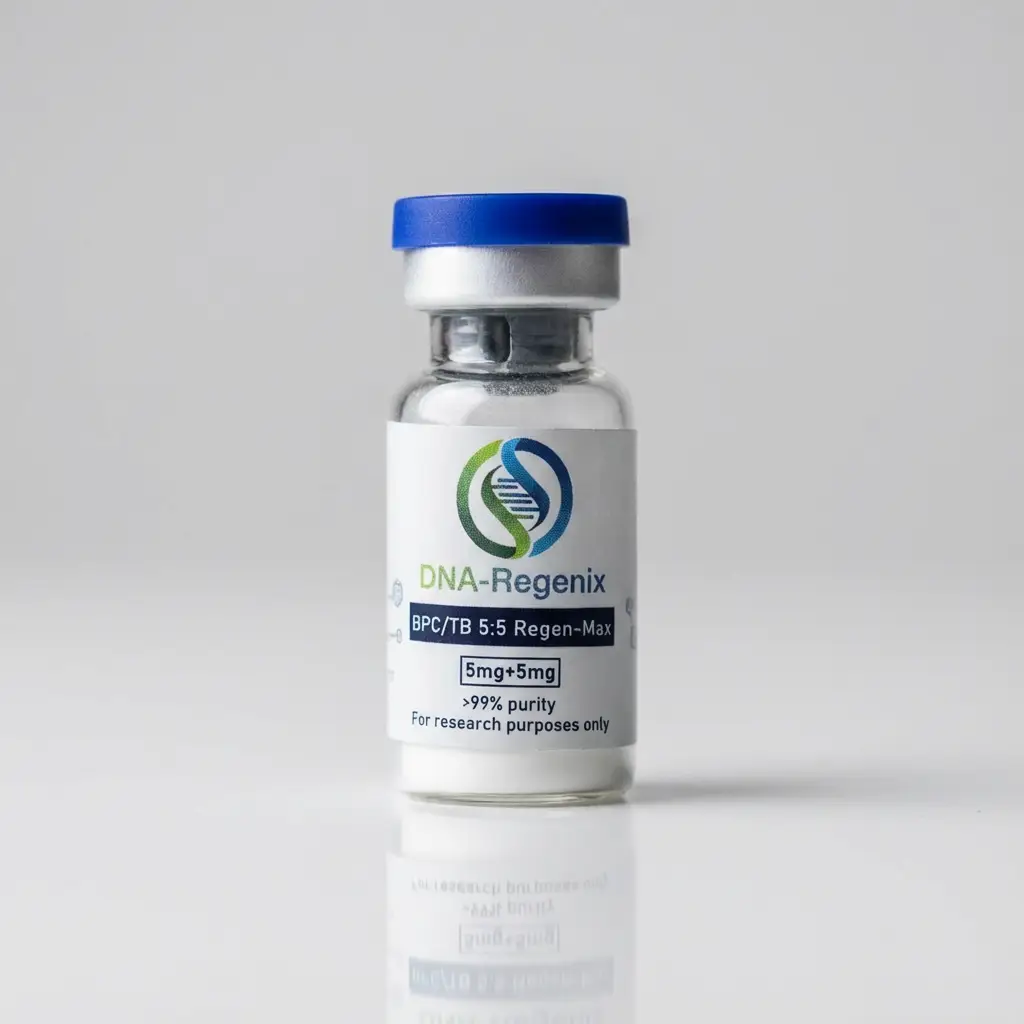
The Recovery King: BPC-157
BPC-157 remains the most sought-after peptide in Canada. In 2026, researchers are moving beyond basic musculoskeletal repair to explore its systemic effects on the "gut-brain axis." Derived from a protein found in stomach acid, its ability to modulate angiogenesis and reduce systemic inflammation makes it a cornerstone of regenerative research.
Metabolic Frontiers: GLP-1 & AOD-9604
With the massive global focus on metabolic health this year, fragments like AOD-9604 and GLP-1 research sequences are seeing record demand. These are specifically studied for their role in lipid metabolism and insulin sensitivity, often researched for their potential to target adipose tissue without affecting blood sugar levels or causing unwanted hormonal spikes.
The Cognitive Edge: Semax & Selank
Nootropic peptides have taken center stage in 2026. These compounds are being researched for their potential to enhance BDNF (Brain-Derived Neurotrophic Factor), improve focus under stress, and protect neurons from the oxidative stressors of modern life.
Bioregulators: The New Wave
2026 is officially the year of the "Bioregulator." These ultra-short-chain peptides (like Epitalon or Tesamorelin) are being studied for their ability to act on DNA expression and telomere length. They represent the "next level" of longevity research, moving from symptom management to cellular age-reversal and metabolic optimization.
Once your peptides arrive, the clock starts ticking on their stability. To ensure your research remains accurate and consistent, follow these 2026 best practices:
Health Canada regulates peptides as drugs. Its April 2026 advisory states that labelling a product "for research use only" does not make an unauthorized peptide product legal, and it names many common research peptides. Flux Peptides supplies its compounds strictly for laboratory research, not for human or veterinary use. Our guide Are Peptides Legal in Canada? sets out the framework with sources; for any specific situation, speak with a qualified Canadian lawyer.
During the winter, ensure your peptides aren't left in a mailbox where they could freeze-thaw repeatedly. Once they arrive, store the unmixed vials in a cool, dark place (the freezer is best for long-term storage). Once reconstituted, the fridge is mandatory.
The industry standard has moved to 99% purity. Anything below 98% is now considered sub-par for high-level research, as impurities can cause unwanted reactions or skewed data in a research environment.
Most domestic orders from premium suppliers like Flux Peptides arrive within 2 to 4 business days, depending on your proximity to major hubs like Toronto, Vancouver, or Calgary.
It is generally discouraged to mix different peptides in the same vial, as it can cause "cross-talk" or degradation of the sequences. For accurate research results, each peptide should be reconstituted in its own individual vial.