GHK-Cu (Glycyl-L-Histidyl-L-Lysine with Copper) is a naturally occurring tripeptide found in human plasma. It acts as a biological "master key," binding to copper ions and delivering them to tissues to initiate repair.
However, GHK-Cu is a dwindling resource. Research confirms a steep decline as we age:
Age 20: ~200 ng/mL in plasma.
Age 60: ~80 ng/mL in plasma.
This 60% drop is a primary driver of the slowed healing, thinning skin, and reduced cognitive resilience associated with aging. In 2026, the goal of GHK-Cu therapy is simple: replenish what time has taken away.
Perhaps the most significant development in 2026 research is our understanding of GHK-Cu as a gene modulator. Recent data from the Broad Institute and others indicate that GHK-Cu influences over 4,000 human genes (roughly 31.2% of our genome).
Instead of forcing a single pathway, GHK-Cu "resets" DNA expression to a healthier, younger state. This includes:
Upregulating genes for DNA repair and antioxidant defense.
Downregulating genes associated with chronic inflammation and tissue breakdown.
1. Aesthetic Regeneration: Beyond the "Glow"
In 2026, GHK-Cu is the gold standard for post-procedure recovery. Whether after a CO2 laser, deep chemical peel, or microneedling, GHK-Cu has been shown to reduce healing time by 30-50%.
Collagen & Elastin: It stimulates both Type I and Type III collagen, improving skin density and "snap-back" resilience.
Photodamage: 2026 trials highlight its ability to repair UV-induced DNA damage, making it a critical "internal sunscreen" for skin longevity.
2. Hair Restoration: The Follicle Awakener
One of the most requested research areas at Flux Peptides is hair growth. GHK-Cu competes directly with traditional treatments like Minoxidil but without the systemic side effects.
Follicle Size: It physically enlarges the hair follicle, leading to thicker hair shafts.
Anagen Extension: It keeps hair in the "growth phase" longer, significantly reducing shedding.
Micro-circulation: By promoting angiogenesis (new blood vessel formation), it ensures the scalp receives the nutrient density required for hair vitality.
3. Neuroprotection and Cognitive Health
Emerging 2026 data has pivoted toward the brain. GHK-Cu stimulates the release of BDNF (Brain-Derived Neurotrophic Factor) and helps stabilize the blood-brain barrier. Researchers are currently investigating its potential to mitigate neuroinflammation, a core component of "brain fog" and age-related cognitive decline.
When investigating GHK-Cu, delivery is everything. In 2026, we categorize application into three primary lanes:
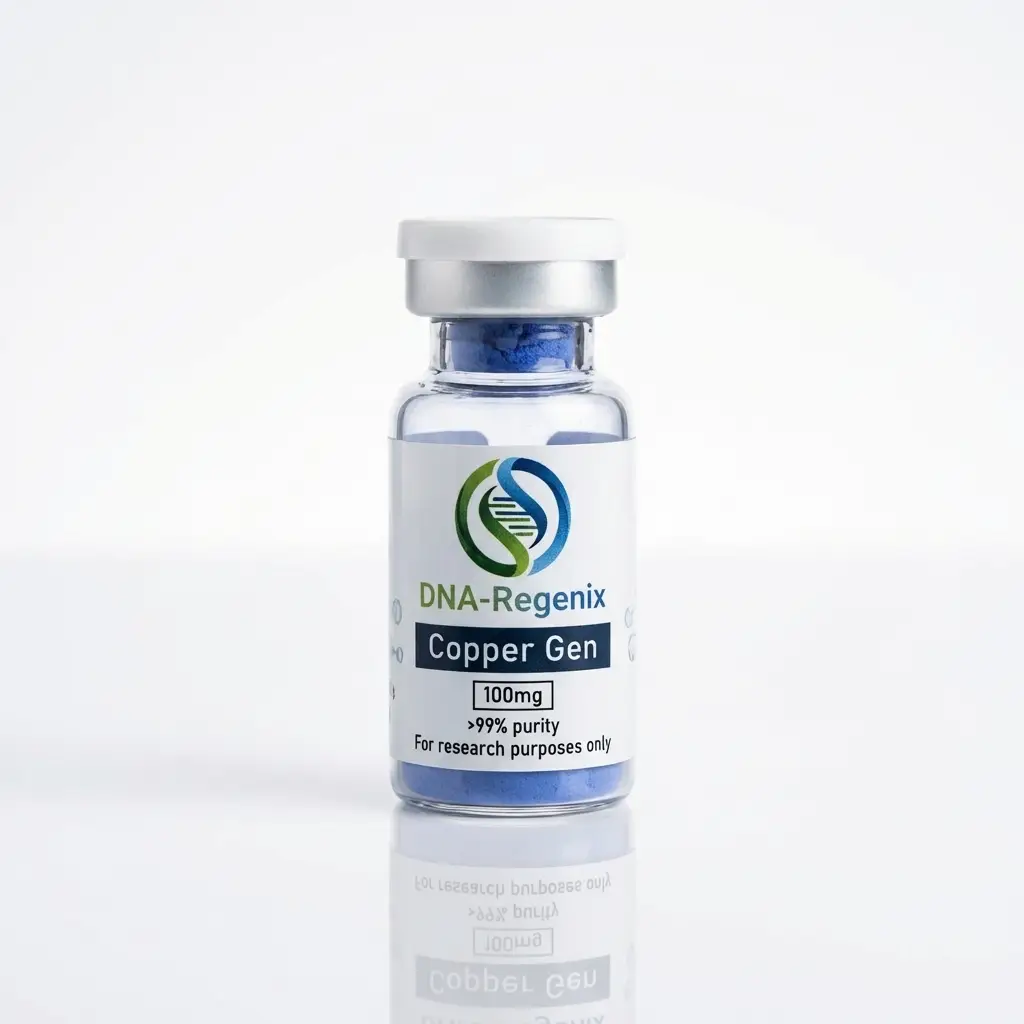
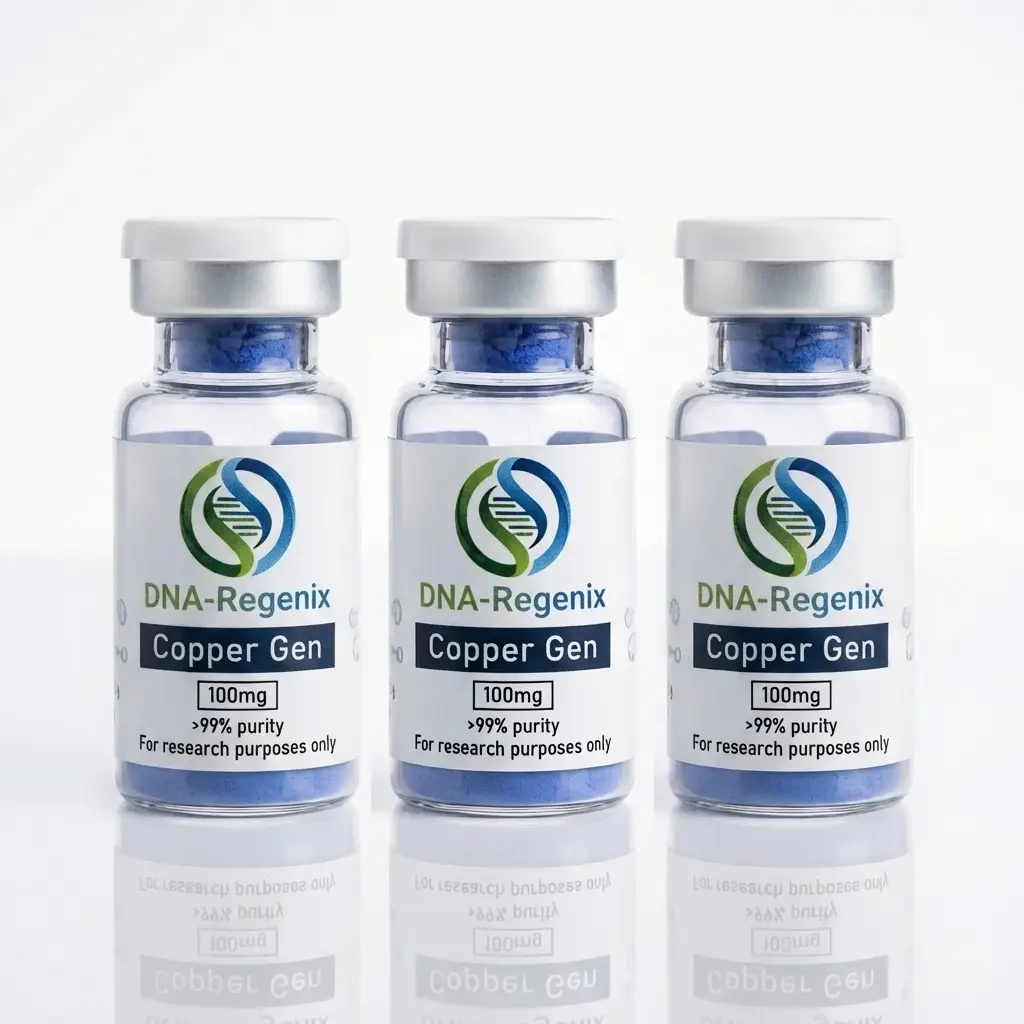
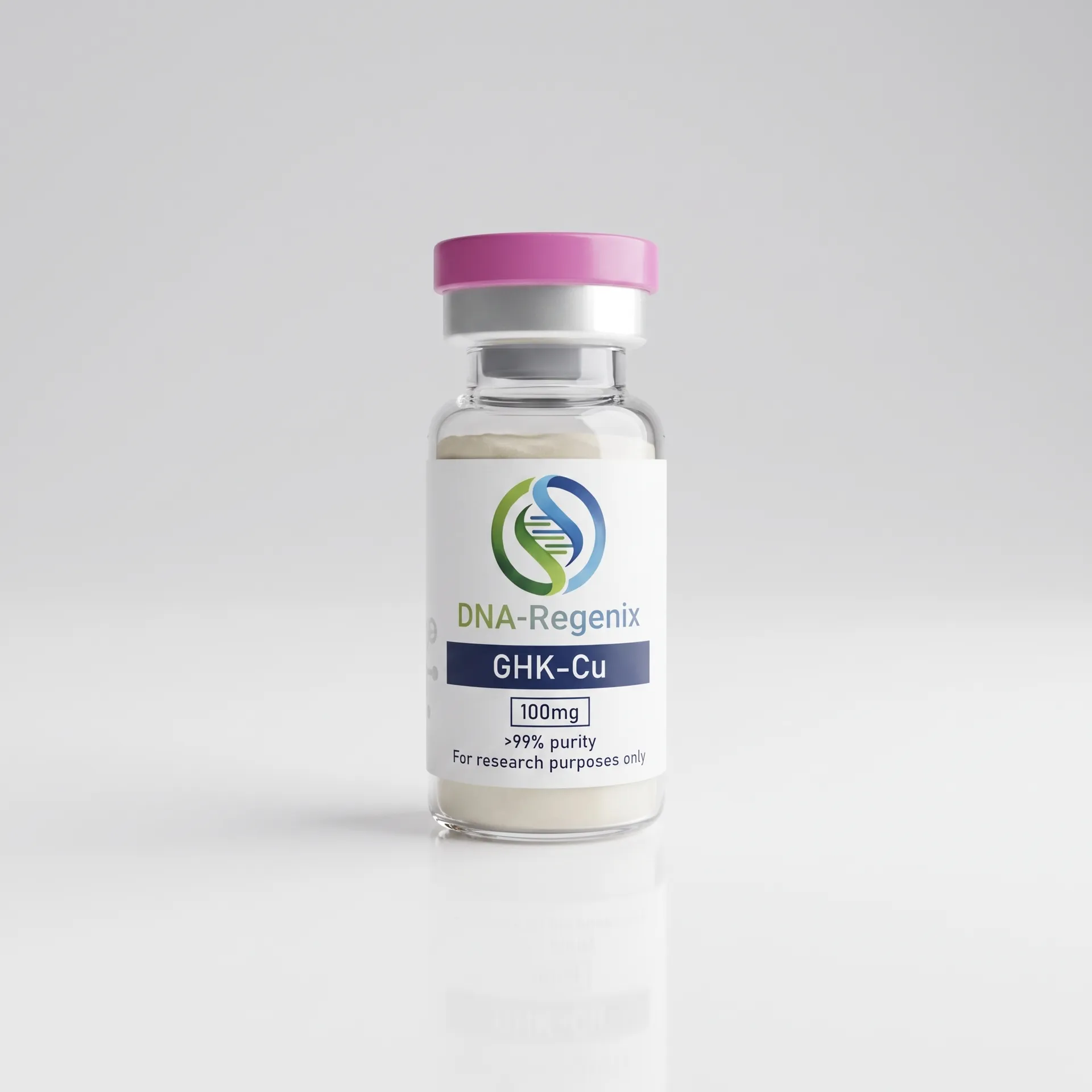
As the popularity of GHK-Cu surges, so does the prevalence of "watered-down" or impure products. Genuine GHK-Cu has a distinct, deep blue color due to the copper complex. If your "copper peptide" is clear or light blue, it is likely under-dosed or poorly complexed.
At Flux Peptides, we utilize next-generation synthesis and third-party verification to ensure that every vial meets a 99%+ purity threshold. In 2026, your research is only as good as your starting material.
GHK-Cu isn't just a beauty ingredient; it’s a biological imperative. As we move deeper into 2026, the ability to modulate 4,000 genes and restore youthful healing capacity is no longer science fiction—it is a reality.
Whether you are looking to optimize skin resilience, restore hair density, or research systemic longevity, GHK-Cu remains the "Blue Diamond" of the peptide world.
Would you like to see a detailed comparison of GHK-Cu versus AHK-Cu for specific hair growth research?