BPC-157 (Body Protection Compound 157) is a pentadecapeptide composed of 15 amino acids. It is a partial sequence of a compound naturally found in human gastric juice.
While most peptides are fragile and easily broken down by digestive enzymes, BPC-157 is unique because of its extreme stability. In 2026, it remains the gold standard for "healing peptides" because of its ability to survive the harsh environment of the gut and its profound systemic effects on tissue regeneration.
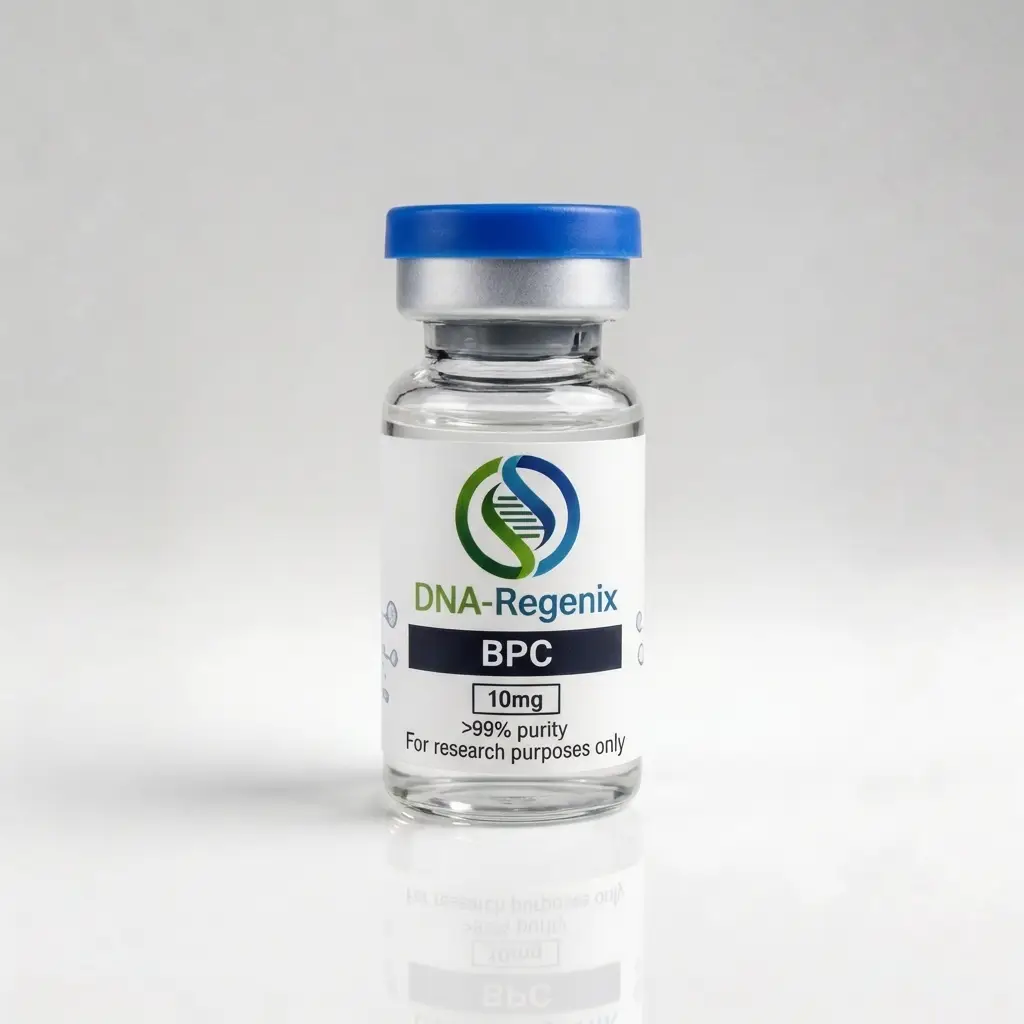
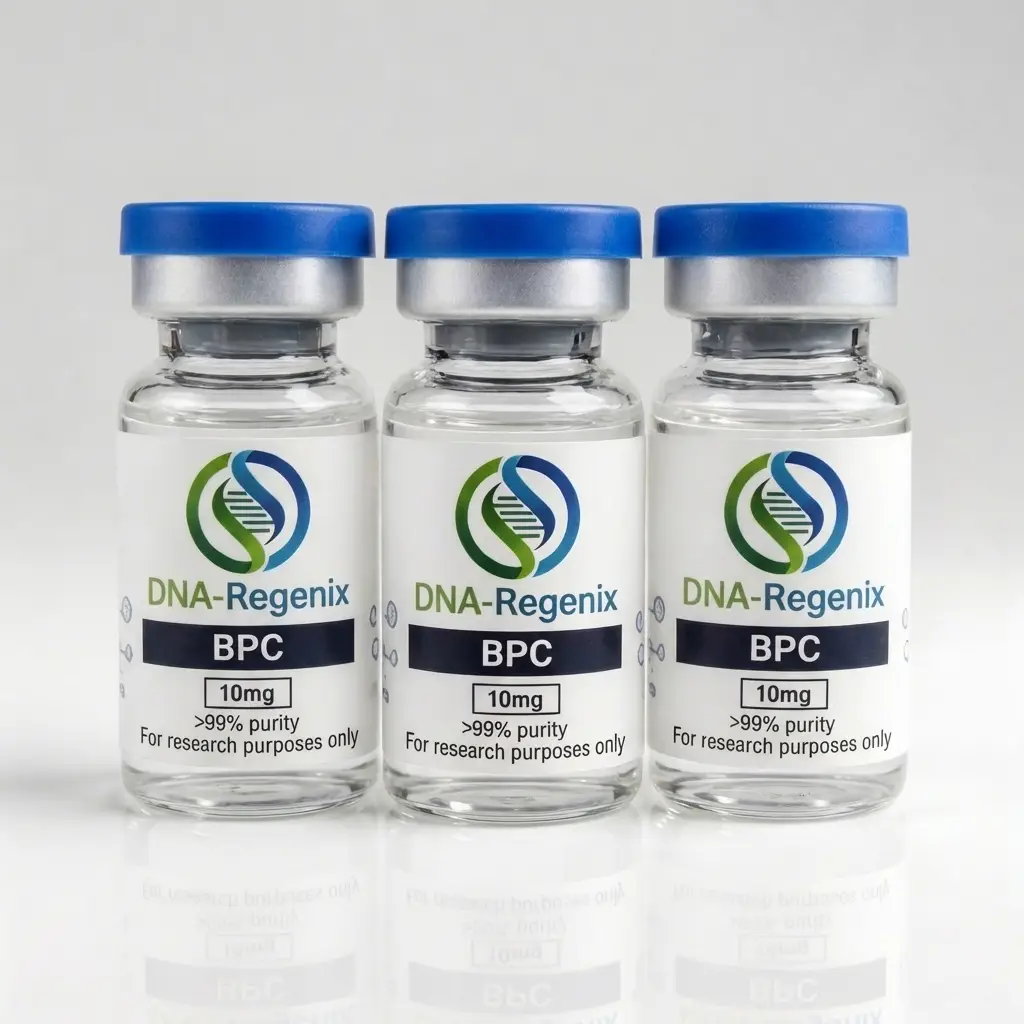
BPC-157 is often described as a "multi-tool" for the body. Its primary function is to accelerate the body's natural healing processes. It achieves this through several key biological pathways:
Angiogenesis: This is the process of creating new blood vessels. By increasing the density of blood vessels in damaged tissue, BPC-157 ensures that nutrients and oxygen reach the injury site faster.
Nitric Oxide (NO) Modulation: It helps regulate blood flow and vascular health, reducing blood pressure and improving the delivery of healing factors.
Upregulation of Growth Factor Receptors: Research in 2026 suggests that BPC-157 increases the expression of growth factor receptors (like VEGFR2), making the body more sensitive to its own internal repair signals.
Collagen Synthesis: It plays a vital role in the organization and cross-linking of collagen fibers, which is essential for strong, functional tendons and ligaments.
1. Orthopedic and Soft Tissue Repair
The most common use for BPC-157 in 2026 remains the treatment of "hard-to-heal" injuries. Unlike muscles, which have high blood flow, tendons and ligaments are notorious for slow healing. BPC-157 has shown remarkable efficacy in researching the repair of:
Achilles tendon ruptures
Rotator cuff tears
Ligament sprains (MCL/ACL)
Muscle strains and tears
2. Gut Health and "Leaky Gut"
Because BPC-157 is derived from the stomach, its effects on the gastrointestinal tract are profound. In 2026, researchers are increasingly looking at BPC-157 as a potential breakthrough for:
IBD and IBS: Reducing inflammation in the intestinal lining.
Leaky Gut Syndrome: Repairing the "tight junctions" in the gut wall.
Ulcer Healing: Protecting the stomach lining from damage caused by NSAIDs (like Ibuprofen).
3. The Gut-Brain Axis and Neuroprotection
Emerging data from 2025 and 2026 have highlighted BPC-157’s role in neuroprotection. Preliminary studies suggest it may help stabilize the blood-brain barrier and potentially offer a protective effect against neurodegenerative processes and traumatic brain injuries (TBI).
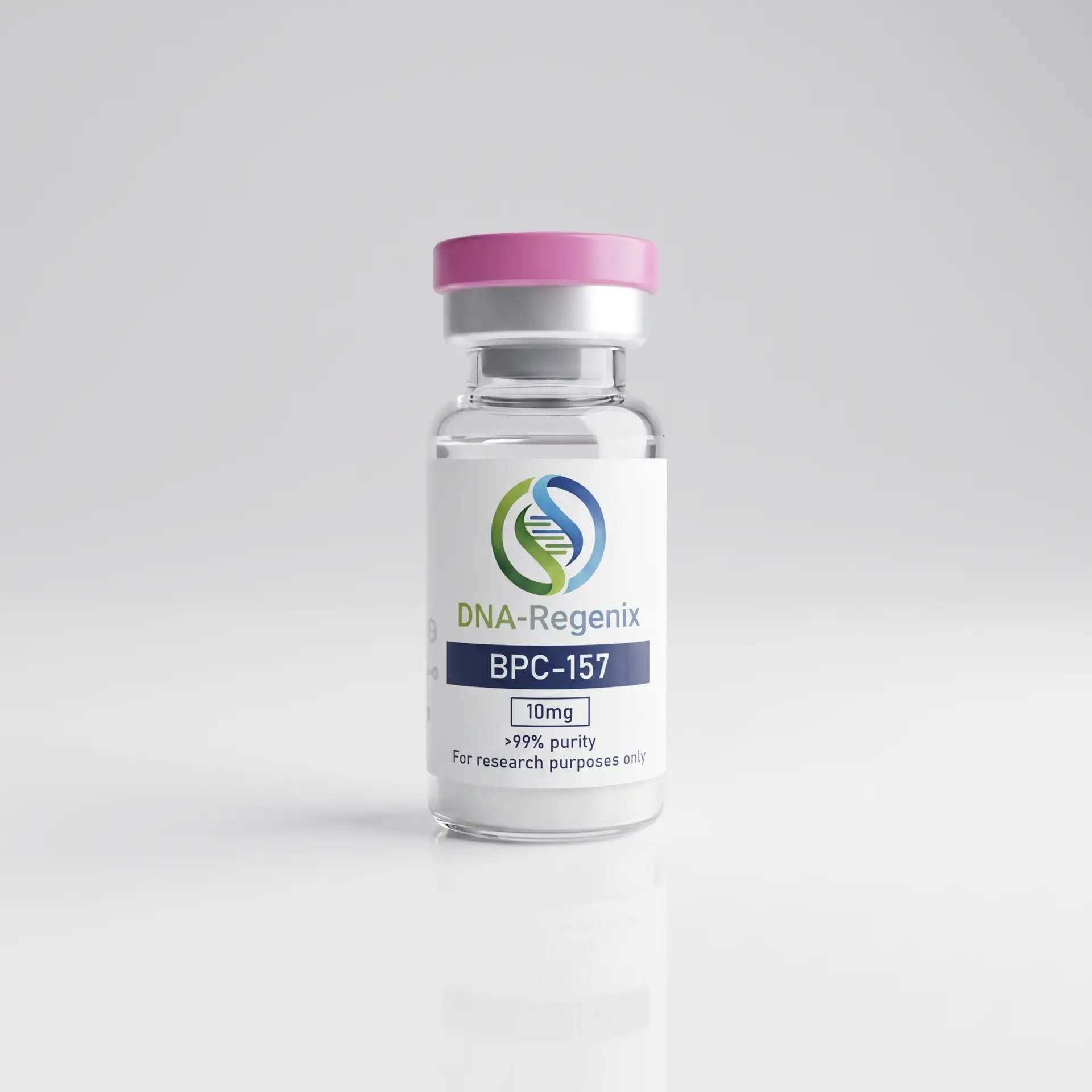
A frequent question for beginners is the difference between BPC-157 and TB-500. While they are often used together in a "Recovery Stack," they serve different roles:
Disclaimer: BPC-157 is currently sold for research and laboratory use. Always consult with a qualified medical professional before starting any new peptide protocol.
Reconstitution and Storage
In 2026, the standard for peptide stability remains Bacteriostatic Water. Once reconstituted (mixed), BPC-157 should be kept in a cool, dark environment—ideally a refrigerator between 2°C and 8°C.
Dosage Research
Based on 2026 clinical data summaries, common research dosages range from 250 mcg to 500 mcg twice daily. Most researchers follow a "cycle" of 4 to 8 weeks, followed by a break to assess the tissue's natural healing progress.
Administration
While BPC-157 is stable enough for oral administration (common for gut issues), most orthopedic research focuses on subcutaneous administration (injections just under the skin) near the site of injury to maximize localized bioavailability.
BPC-157 is generally regarded as having a very high safety profile in clinical literature. However, reported side effects in 2026 monitoring groups include:
Mild dizziness or lightheadedness (due to blood flow changes).
Irritation at the injection site.
Changes in bowel habits (during the first few days of gut-focused research).
In a market that is rapidly expanding, the quality of your research material is paramount. At Flux Peptides, we provide:
Third-Party Testing: Every batch is verified for 99%+ purity.
2026 Formulation Standards: We use the latest stabilization techniques to ensure your peptides arrive active and effective.
Educational Support: We believe in a "science-first" approach to wellness.
As we look forward through 2026, BPC-157 is no longer an "experimental" outlier; it is a foundational pillar of regenerative science. By unlocking the body’s innate ability to repair its own scaffolding, BPC-157 is changing how we view injury, aging, and recovery.