TB-500 is a synthetic version of a naturally occurring fraction of Thymosin Beta-4 (Tβ4). While Tβ4 is found in high concentrations in blood platelets and wound fluid, TB-500 specifically isolates the most potent regenerative segment of the protein. Its primary mechanism involves the upregulation of actin, a vital cellular protein responsible for cell migration and proliferation.
In a research setting, TB-500 is recognized for its systemic nature. Because of its low molecular weight, it can travel through the circulatory system with ease, targeting injured tissues throughout the body. This makes it an ideal candidate for broad-spectrum recovery, such as treating multiple muscle tears or systemic inflammation. Furthermore, TB-500 is a potent stimulator of angiogenesis—the formation of new blood vessels—which is a critical component in delivering nutrients to oxygen-deprived injured tissues.
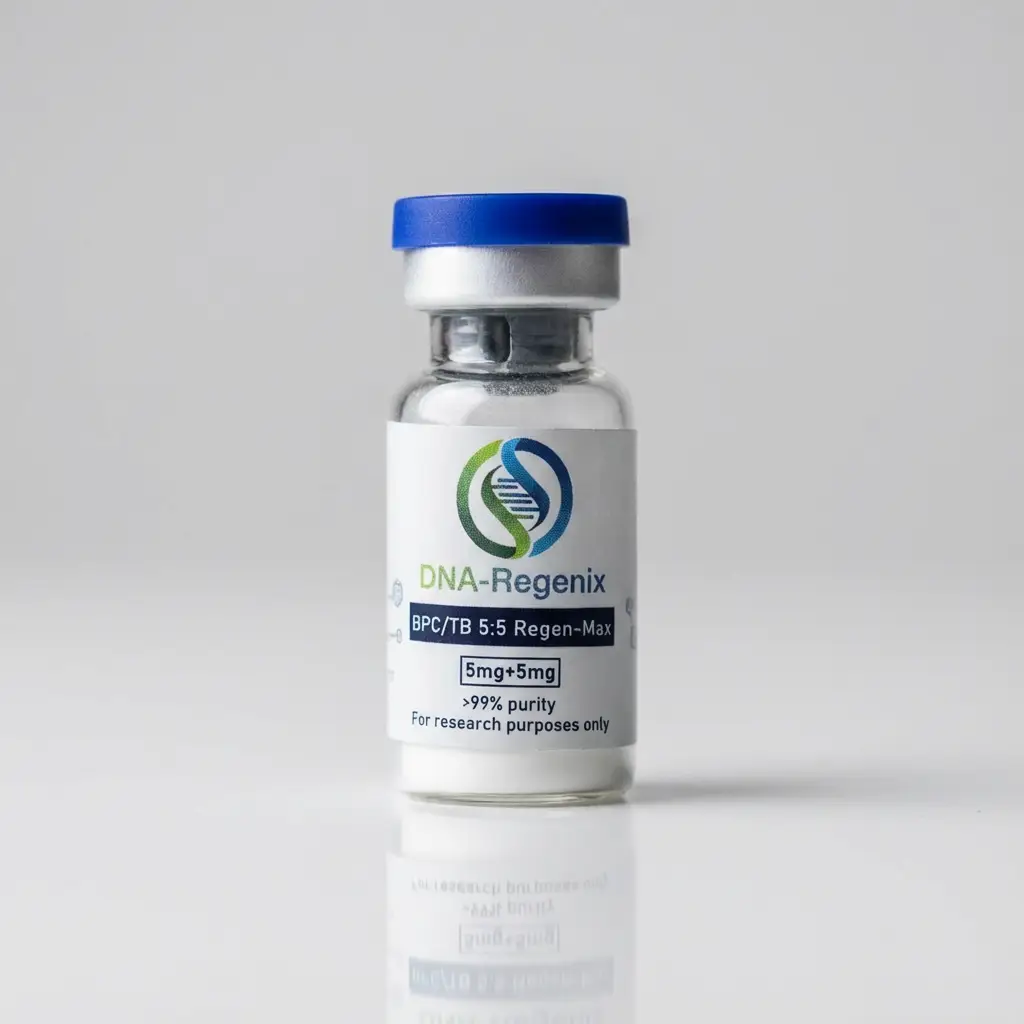

BPC-157 (Body Protection Compound) is a pentadecapeptide composed of 15 amino acids. It is derived from a protective protein found in human gastric juice. Unlike TB-500, which is heavily focused on cell migration, BPC-157 excels at modulating the nitric oxide (NO) system and growth factor expression.
BPC-157 is particularly famous for its "cytoprotective" properties. While it is highly effective for musculoskeletal repair, its unique origin allows it to excel in gut health research, specifically in healing the intestinal lining and reducing inflammation associated with gastric distress. In the context of injury, BPC-157 has a remarkable affinity for "soft tissue" junctions—the places where tendons meet bone—making it the gold standard for researching ligament and tendon repair.
When comparing these two powerhouses, the choice often depends on the specific target of the research:
Mechanism of Action: TB-500 works primarily via actin regulation and systemic cell migration. BPC-157 works through the modulation of growth factors and the vascular endothelial growth factor (VEGF) pathway.
Localized vs. Systemic: TB-500 is highly systemic and does not need to be applied near the site of injury to be effective. BPC-157, while also effective systemically, is often researched for its localized healing potential, especially regarding the gastrointestinal tract and specific joint sites.
Tissue Specificity: TB-500 is often the preferred subject for muscle-specific regeneration and flexibility research. BPC-157 is typically favored for tendon-to-bone healing and gut-related inflammation.


In 2026, one of the most significant trends in peptide research is the combination of these two compounds. Because they utilize different biological pathways, they are frequently used together to create a synergistic effect. While TB-500 handles the systemic migration of repair cells and the creation of new blood vessels, BPC-157 focuses on the structural integrity of the tissue and the reduction of localized inflammation. This dual-action approach is often researched for complex injuries where both muscle and tendon damage are present.
Regardless of which peptide is being studied, the integrity of the research depends entirely on the purity of the compound. For those sourcing peptides in Canada, it is imperative to choose a supplier that provides third-party HPLC and Mass Spectrometry testing. At Flux Peptides, we ensure that our TB-500 and BPC-157 meet the highest 2026 standards for purity and stability, ensuring that your research data remains accurate and reproducible.
While many researchers do combine them in the same protocol, it is generally recommended to reconstitute them in separate vials to maintain the stability of the individual peptide sequences. If mixed for a single administration, they should be used immediately.
In most research models, significant changes in tissue inflammation and repair markers are observed within 1 to 3 weeks of consistent administration.
TB-500 is generally considered superior for muscle-specific healing due to its role in actin regulation. However, if the muscle tear involves a tendon attachment, BPC-157 is often added to the protocol for its superior connective tissue repair properties.
In their lyophilized (freeze-dried) state, both peptides are stable at room temperature for several weeks. However, once reconstituted with Bacteriostatic Water, they must be refrigerated to prevent degradation.
For Canadian researchers, sourcing from a domestic supplier like Flux Peptides is the best way to ensure fast shipping, avoid customs delays, and guarantee 99%+ purity through domestic lab testing.